

Winter vegetable enthusiasts are discovering the remarkable potential of butternut squash as more than just a seasonal decoration. This golden-hued member of the Cucurbitaceae family has captured the attention of vegetarian cooks worldwide, establishing itself as a cornerstone ingredient in plant-based kitchens. With its distinctive bell shape and creamy texture, butternut squash delivers both nutritional density and culinary versatility that rivals any premium ingredient. Food experts note that this winter squash variety contains exceptional levels of vitamin A, potassium, and fiber, making it a standout performer in the competitive landscape of seasonal produce.
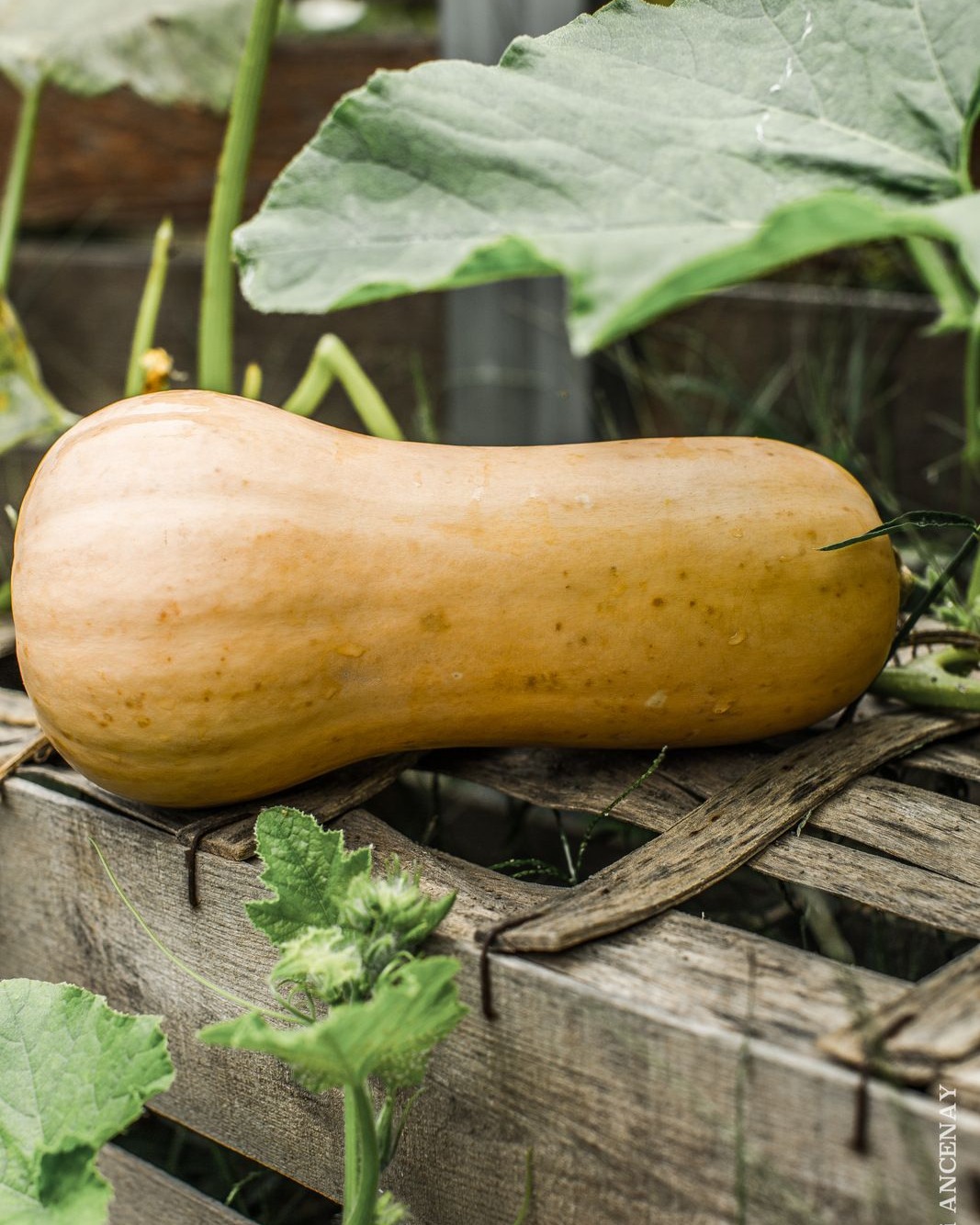
Professional vegetarian chefs consistently emphasize the importance of proper selection when sourcing butternut squash from markets and grocery stores. The ideal specimen exhibits a matte, tan exterior free from soft spots or green patches, indicating optimal ripeness and sugar development. Weight serves as a crucial indicator of quality, with heavier squashes typically containing more flesh and less hollow cavity space. The stem area should appear dry and firmly attached, while the bottom end should yield slightly to gentle pressure without feeling mushy. Industry insiders recommend avoiding squashes with glossy skin, as this often indicates premature harvesting that results in inferior flavor profiles.

Preparation techniques for butternut squash have evolved significantly as culinary professionals develop more efficient methods for handling this substantial vegetable. The traditional approach involves careful peeling with a sharp vegetable peeler, followed by halving and seed removal using a sturdy spoon. Advanced preparation methods include roasting whole squashes at high temperatures to soften the skin for easier peeling, or utilizing specialized tools designed specifically for winter squash processing. Professional kitchens often employ mandoline slicers for uniform cuts, while home cooking enthusiasts have embraced microwave techniques that soften the squash for safer knife work and reduced preparation time.
Cooking applications for butternut squash span an impressive range of culinary techniques, from simple roasting to complex preparations that showcase its adaptability. Roasting remains the most popular method, caramelizing natural sugars while developing rich, nutty flavors that complement both sweet and savory applications. Soup preparations have gained tremendous popularity, with butternut squash forming the base for everything from simple pureed soups to complex bisques enhanced with aromatic spices. Advanced cooking techniques include grilling, braising, and even raw preparations in salads, demonstrating the ingredient's remarkable flexibility across different cooking methodologies and flavor profiles.


Nutritional analysis reveals butternut squash as a exceptional source of beta-carotene, vitamin C, and essential minerals that support optimal health outcomes. A single cup serving provides over 400% of daily vitamin A requirements while delivering significant amounts of potassium, magnesium, and dietary fiber. The vegetable's naturally low calorie content, combined with high nutrient density, positions it as an ideal component in weight management and wellness-focused meal planning. Nutritionists particularly value its complex carbohydrate profile, which provides sustained energy release without dramatic blood sugar fluctuations.
Seasonal availability and storage capabilities make butternut squash an particularly valuable ingredient for year-round meal planning and preservation strategies. Properly stored whole squashes maintain quality for several months in cool, dry conditions, making them excellent candidates for bulk purchasing during peak harvest seasons. The vegetable's compatibility with freezing, canning, and dehydration methods extends its utility well beyond traditional winter months. Food preservation experts note that cooked butternut squash maintains excellent texture and flavor when frozen, enabling home cooks to prepare large batches during optimal freshness periods for convenient future use in soups, purees, and baked applications.