

The vegetarian community faces an unexpected challenge that extends far beyond protein concerns and B12 supplementation. Recent scientific evidence demonstrates that added sugars represent one of the most significant dietary threats in modern plant-based eating, often hiding in seemingly healthy vegetarian products and undermining the health benefits that draw people to meat-free lifestyles. Food manufacturers have increasingly relied on added sugars to enhance flavors in plant-based alternatives, creating a hidden epidemic that affects even the most health-conscious vegetarians. This revelation has prompted nutrition researchers to examine how added sugars specifically impact those following plant-based diets, revealing surprising connections between sugar consumption and the effectiveness of vegetarian nutrition strategies.
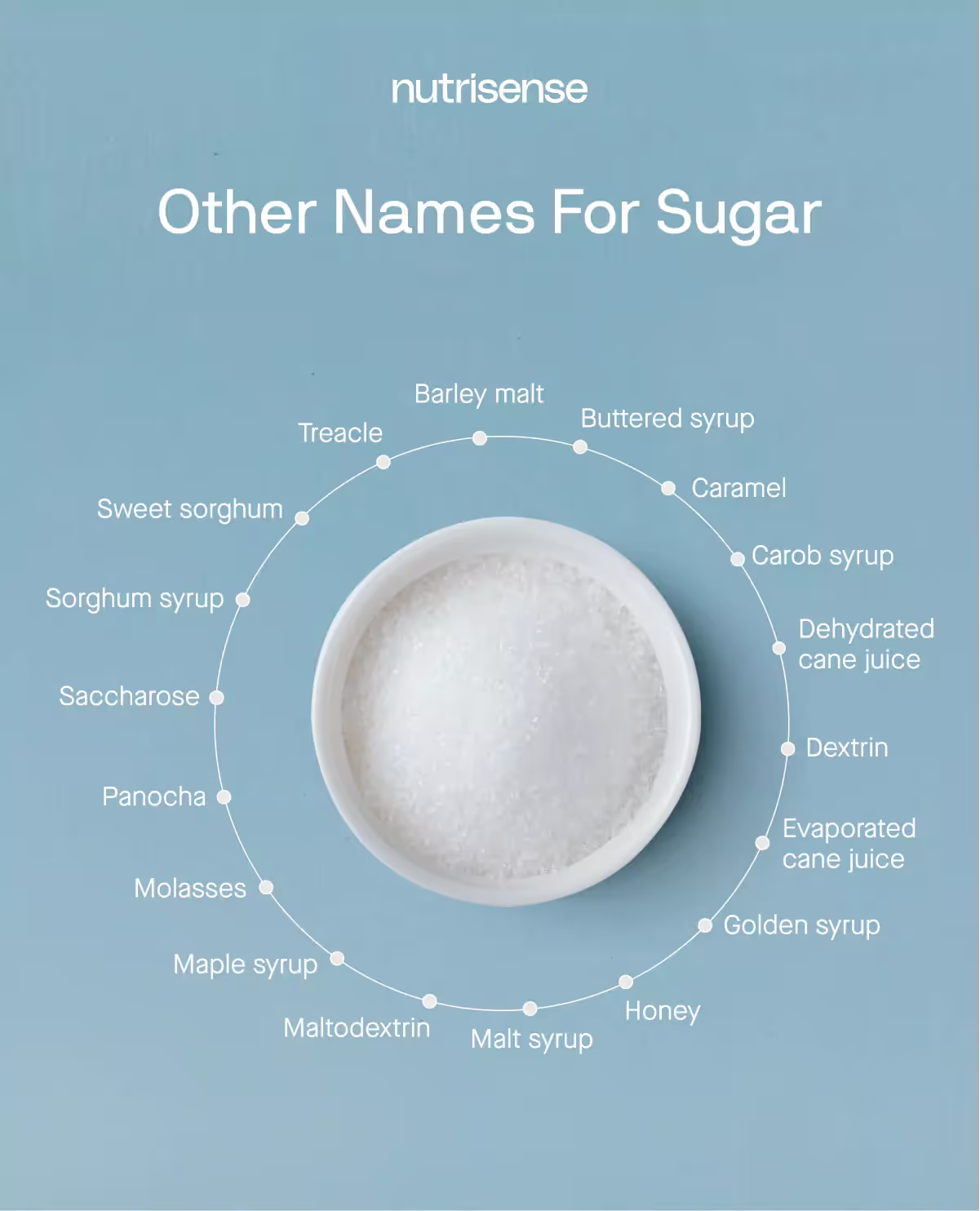
The science behind added sugar's impact on human health reveals mechanisms that particularly concern vegetarian nutritionists and health advocates. When consumed regularly, added sugars trigger inflammatory responses throughout the body, potentially counteracting the anti-inflammatory benefits typically associated with plant-rich diets. Research published in leading nutrition journals shows that added sugars contribute to insulin resistance, cardiovascular disease, and metabolic dysfunction regardless of overall diet quality. For vegetarians who often consume higher amounts of processed plant foods, breads, and sweetened plant milks, these effects become magnified. The body processes added sugars differently than naturally occurring sugars found in whole fruits and vegetables, creating metabolic stress that undermines the protective effects of phytonutrients and fiber found in plant foods.

Vegetarian food products present unique challenges when identifying hidden added sugars, as manufacturers often market these items as inherently healthy options. Plant-based meat alternatives, flavored plant milks, granola bars, and even savory vegetarian sauces frequently contain significant amounts of added sugars under various names including agave nectar, brown rice syrup, and fruit juice concentrates. Nutrition experts analyzing vegetarian pantry staples discovered that many popular plant-based products contain sugar levels comparable to conventional processed foods. Yogurt alternatives, breakfast cereals marketed to health-conscious consumers, and frozen vegetarian meals often derive 15-25% of their calories from added sugars. This hidden sugar content can easily push daily intake beyond recommended limits, even among vegetarians who believe they maintain exemplary dietary habits.
The most effective strategies for reducing added sugar intake require systematic approaches that align with vegetarian principles while maximizing nutritional benefits. Nutrition specialists recommend focusing on whole food ingredients, reading labels meticulously, and preparing more meals from scratch using fresh vegetables, legumes, and unprocessed grains. Successful sugar reduction involves replacing sweetened plant milks with unsweetened versions, choosing plain plant-based yogurts and adding fresh fruit, and selecting minimally processed protein sources like beans, lentils, and tofu over heavily flavored alternatives. Many vegetarians report that gradually reducing added sugars actually enhances their ability to taste and appreciate the natural flavors in vegetables and fruits, creating a positive feedback loop that supports long-term dietary changes.
Emerging research suggests that vegetarians who successfully minimize added sugar intake experience amplified benefits from their plant-based dietary choices. Studies tracking long-term health outcomes show that low-sugar vegetarian diets provide superior protection against diabetes, heart disease, and certain cancers compared to higher-sugar plant-based eating patterns. The combination of high fiber intake, abundant phytonutrients, and minimal added sugars appears to create synergistic effects that optimize metabolic health and support healthy aging. Food scientists continue investigating how different types of added sugars interact with plant compounds, revealing that some combinations may interfere with nutrient absorption while others may enhance inflammatory responses.

The growing awareness of added sugar's impact on vegetarian health has sparked innovation in plant-based food development and community education initiatives. Progressive food companies now prioritize creating vegetarian products with minimal added sugars, using natural flavor enhancement techniques and highlighting the inherent tastes of plant ingredients. Vegetarian cooking classes increasingly emphasize sugar-conscious meal planning, teaching participants to create satisfying dishes without relying on added sweeteners. This movement represents a maturation of vegetarian cuisine, moving beyond simple meat substitution toward truly optimized plant-based nutrition that maximizes both health benefits and culinary satisfaction for the growing community of health-conscious vegetarians worldwide.